

When architecture regenerates nature and experience becomes conscious
Text by Clelia Torelli
MyLuxuryExperiences
In Africa, the concept of luxury hospitality is undergoing a radical transformation. Lodges are no longer simply exclusive retreats immersed in nature, but complex ecosystems designed to dialogue with the land, climate, wildlife and local communities. Here architecture becomes an active tool of conservation, capable of regenerating the landscape and redefining the very meaning of luxury.
It is no longer just about aesthetics or fine materials. The new African paradigm is based on bioclimatic performance, energy self-sufficiency, structural reversibility, and deep respect for habitats. The living room is thus transformed into a conscious luxury experience where comfort, responsibility and wonder coexist.
From the Serengeti to the Okavango Delta, from Rwanda to the Zambezi River, these lodges embody an evolved vision of hospitality: ecological resilience, cultural sensitivity, and social responsibility.
Architectures that breathe the landscape
Tanzania
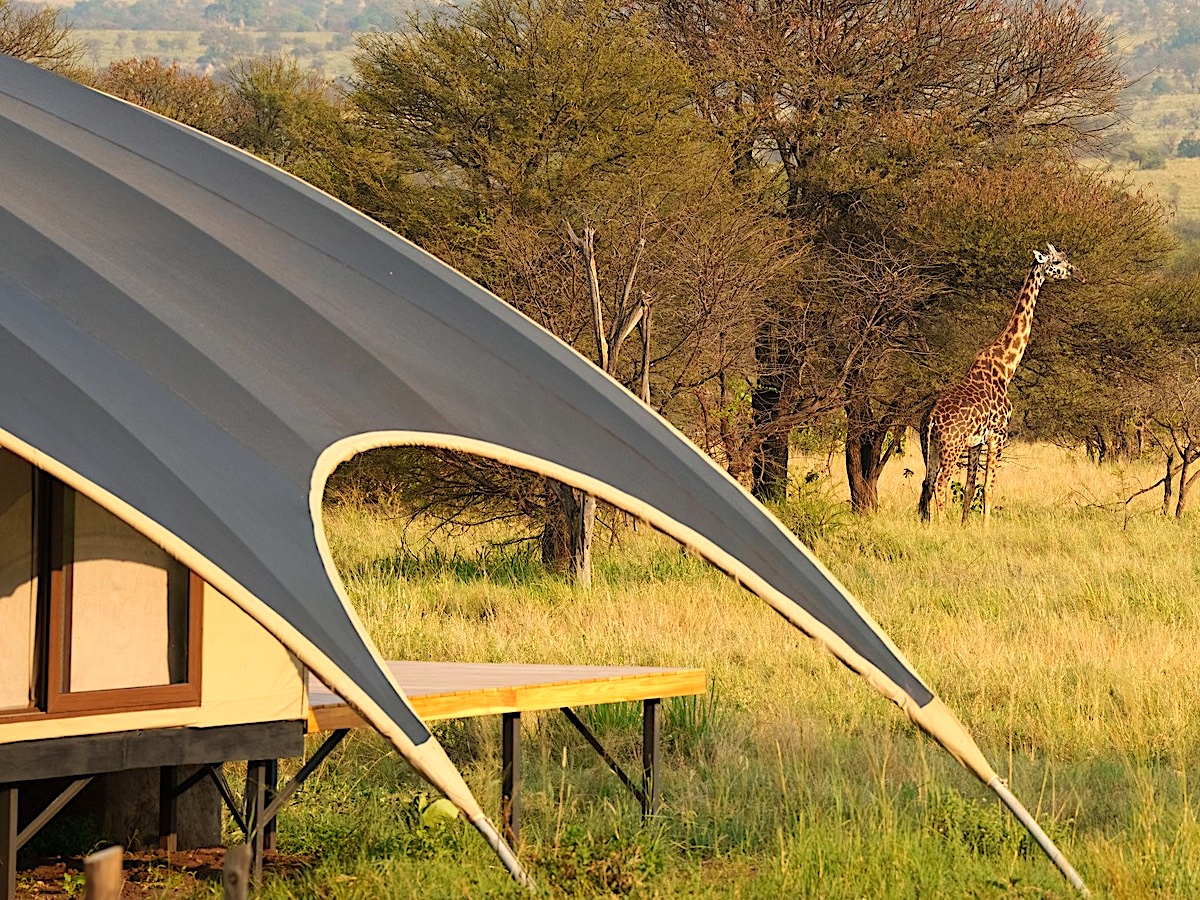
In the heart of the Serengeti, Warangi Ridge (The Wilderness Collection) represents an iconic example of integrated climate architecture. Designed by Les Harbottle Studio, the lodge is inspired by the morphology of the pangolin, the area’s iconic animal.
Curved “flake” roofs, layered textile membranes and a natural chimney effect create thermally self-regulating environments, reducing heat buildup and environmental impact. Here technique becomes invisible, in the service of experience.
The NgorongoroLodge – Meliá Collection, overlooking the iconic caldera, also pushes the concept of self-sufficiency up to 90 percent, thanks to solar panels, natural ventilation and infrared systems, reinterpreting African Modernism in a sustainable way.
Reactive envelopes and energy microgrids.
Kenya
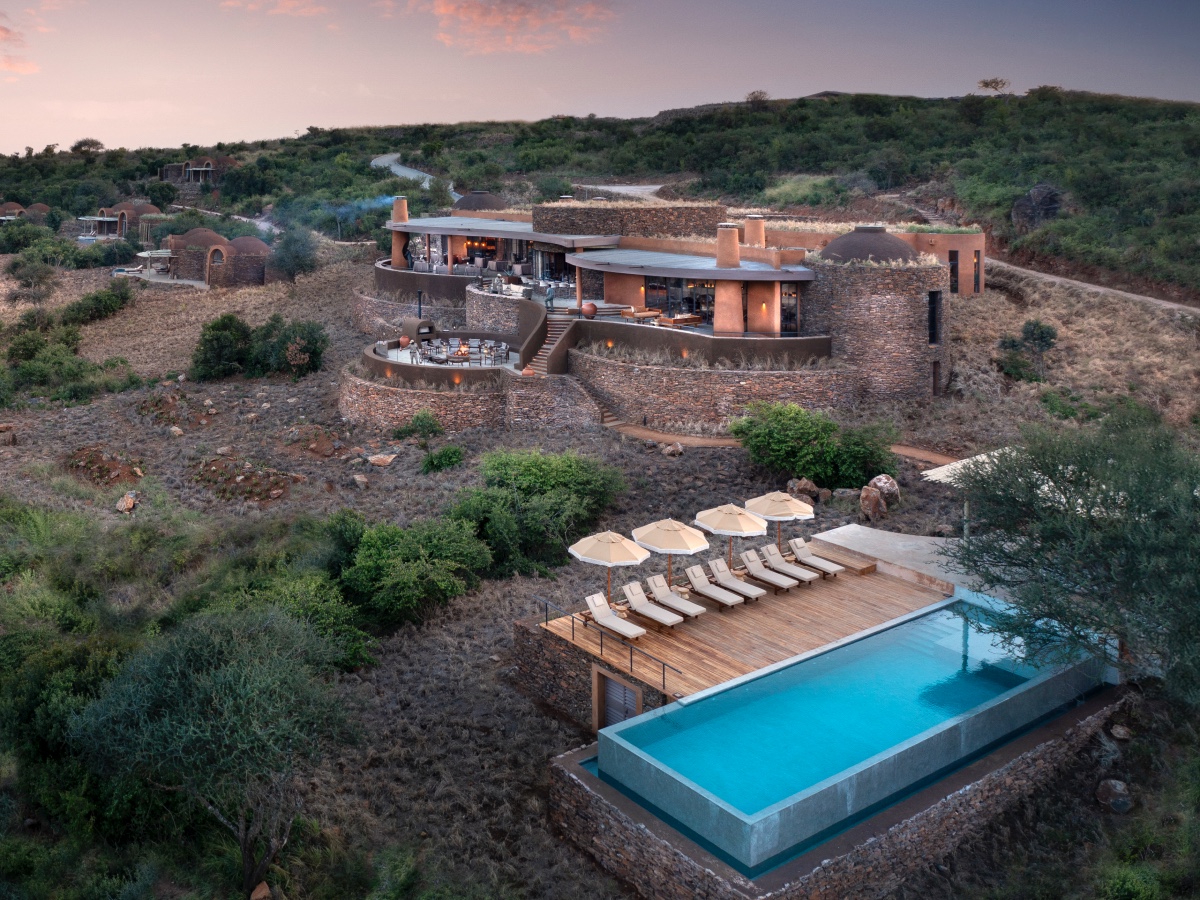
In the heart of the Suyian Conservancy, Suyian Lodge &Beyond was born as a completely off-grid project. Sunrise-facing villas, domed roofs, and local stone cladding encourage camouflage-like integration into the landscape.
Solar power, autonomous water management, and a fence designed to allow free passage for wildlife make the lodge a model of non-invasive luxury.
Biomorphic prefabrication and biodiversity protection
Rwanda
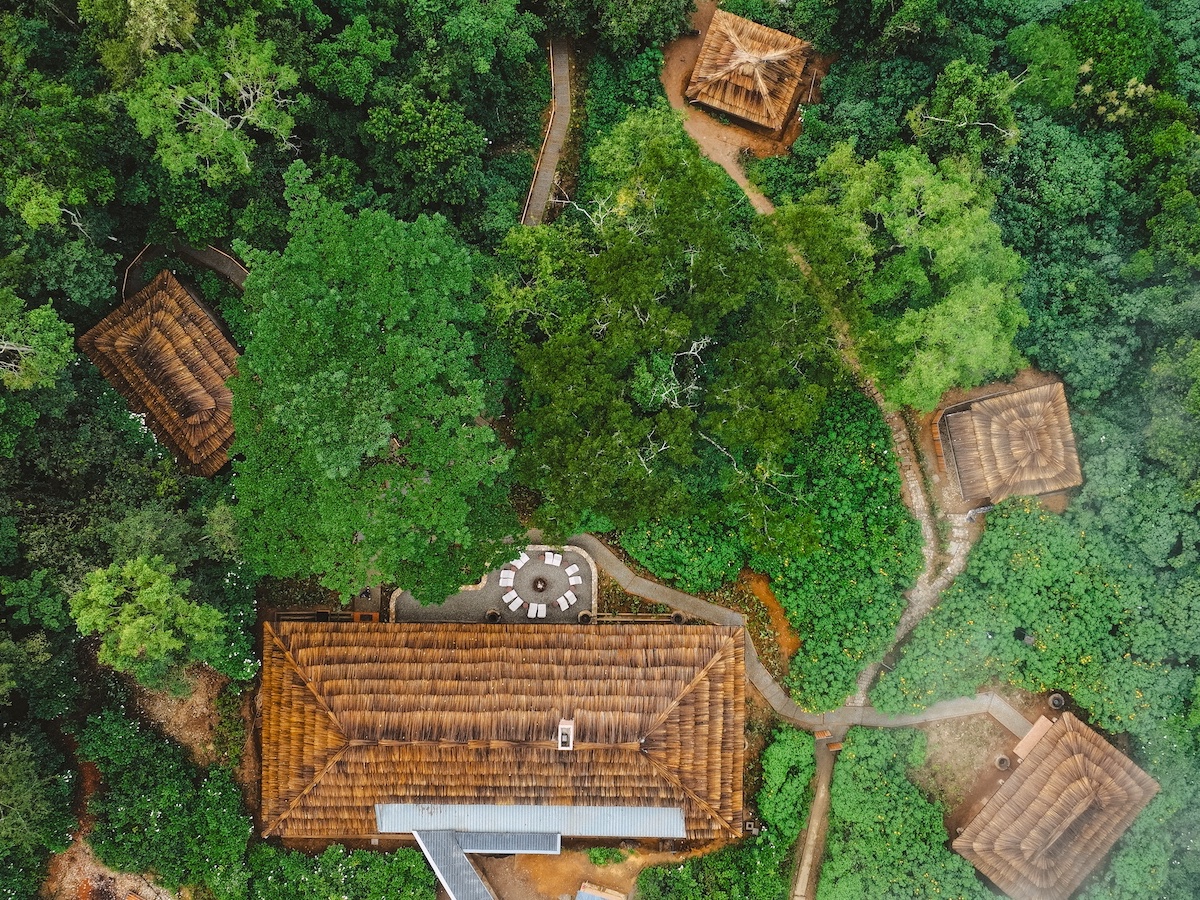
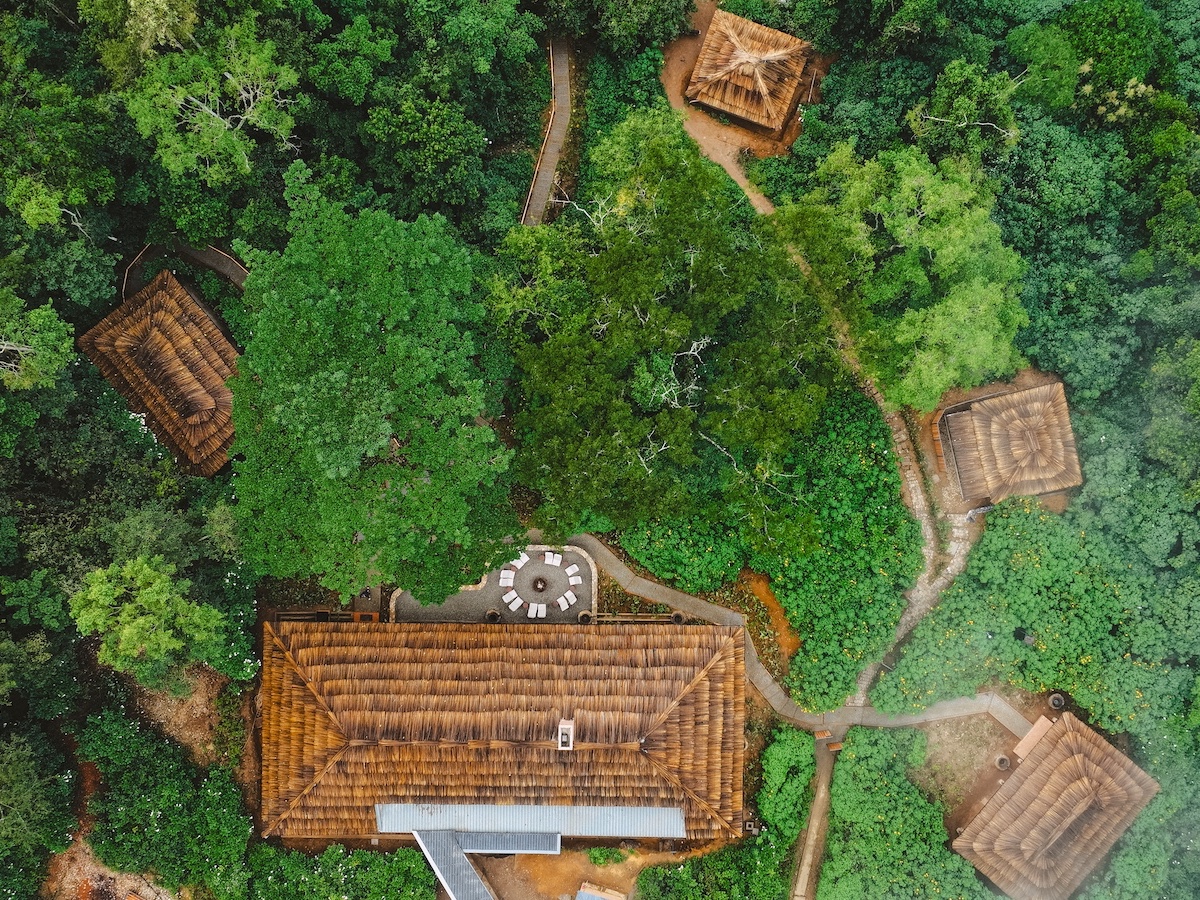
In mountain gorilla territory, architecture takes on an ethical role. Bisate Reserve of Wilderness combines biomorphic structures, local crafts and active reforestation programs. Each stay contributes directly to the protection of the ecosystem.
Nearby, One&Only Gorilla’s Nest offers an immersive Afromontane forest experience: elevated suites, natural materials, vegetation spas, and strong partnerships with local artists and communities. Here, luxury does not dominate nature: it celebrates it.
Reversible architectures and bioclimatic luxury
Botswana
In the fragile ecosystem of the Okavango Delta, Selinda and Zarafa Camps , Relais & Châteaux) represent the vanguard of ephemeral architecture.
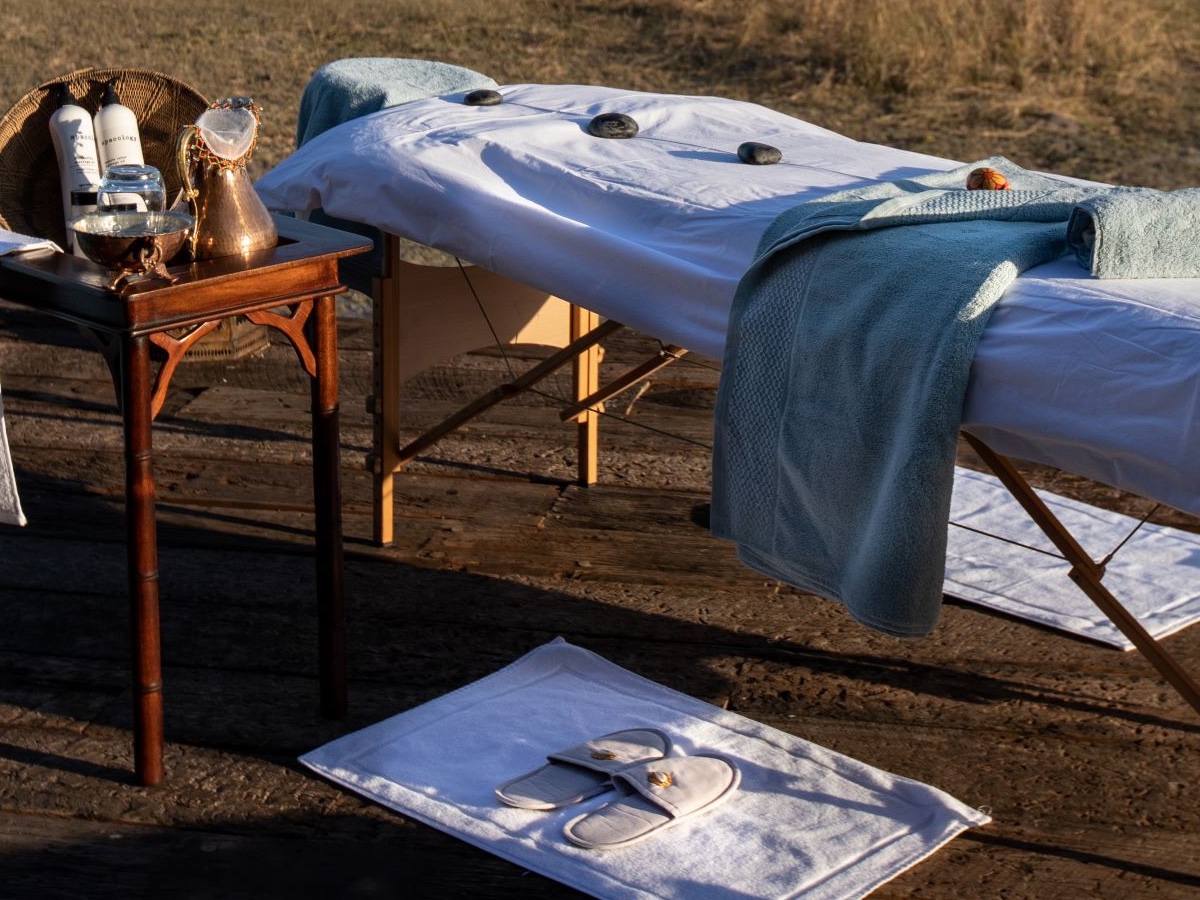
Removable structures, raised platforms, natural ventilation, and solar microgrids allow them to leave no trace. Zarafa Camp pushes the concept further, powering itself exclusively through a solar farm.
This is also the context for Atzaró Okavango, a symbol of contemporary ethical luxury: wooden stilts, exclusive helicopter access and an approach that blends African and Balinese design, conservation and extreme comfort.
Geological mimicry and river architecture
Namibia and Zambia
In the Erongo Massif, Epako Safari Lodge & Spa , Relais & Châteaux merges with the rock, using natural thermal inertia to stabilize the indoor microclimate.
Along the Zambezi River, Royal Chundu uses light platforms, river ventilation and phyto-purification systems, actively collaborating with local communities to protect the ecological corridor.
Off-grid as the new luxury standard
South Africa
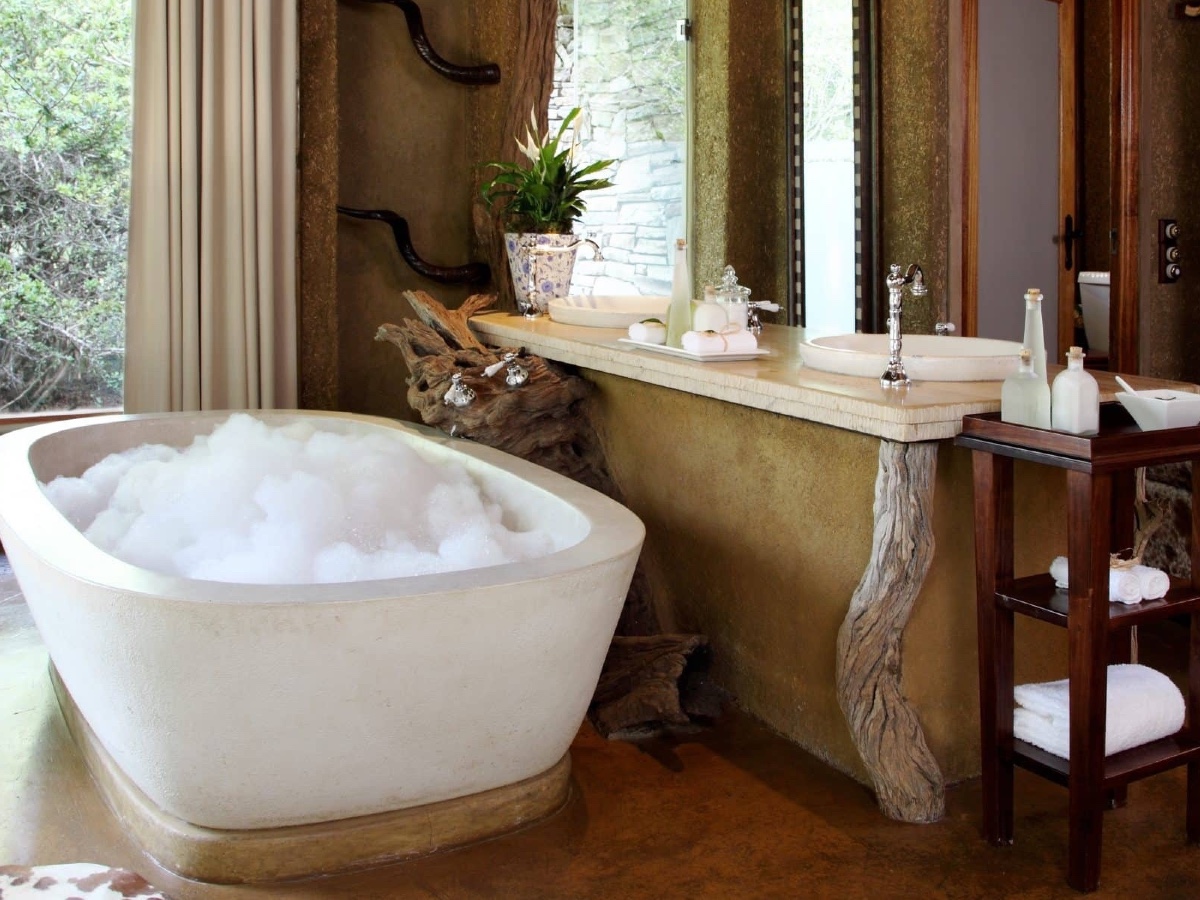
In South Africa, the concept of autonomy reaches its highest expression. Esiweni Lodge is completely off-grid, powered by 100 percent solar energy, while Jabulani Safari Lodge , Relais & Châteaux, blends contemporary design, natural materials and elephant protection projects, turning each stay into a concrete act of conservation.
The new meaning of luxury
In Africa, luxury is no longer ostentation, but balance. It is silence, integration, respect. It is sleeping in extraordinary places knowing that one’s presence contributes to the protection of the land.
MyLuxuryExperiences tells just that: experiences that leave their mark on the traveler, not the landscape.

